Our curriculum
Religious Education
We help children explore faith, belief and the questions that matter to people. Through enquiry, stories, objects and first-hand experiences, pupils learn about Christianity, Islam, Hinduism and Buddhism, as well as a range of religious and non-religious worldviews.
Children learn to listen carefully, compare ideas and form their own views with respect. RE informs and invites reflection; it does not try to persuade children to adopt a particular belief.
A thoughtful, inclusive approach
What children learn in RE
Understand
Discover beliefs, practices and traditions through stories, celebrations, objects and the experiences of people in different communities.
Enquire
Ask open questions about identity, meaning, belonging and how beliefs can shape people’s lives.
Reflect
Listen to different perspectives, make thoughtful comparisons and share their own ideas with confidence and respect.
Learning builds over time
From first questions to deeper enquiry
Key Stage 1
Children begin by exploring celebrations and rituals. Stories, symbols and familiar experiences help them notice what is important to people and their communities.
Key Stage 2
Children investigate a broader range of religions and worldviews, including their origins, key stories and teachings. They make connections and comparisons, and explain their thinking with growing confidence.
How we teach
Curiosity, conversation and connection
Units follow the local SACRE guidance and give children a coherent, progressive experience of RE. Teachers revisit prior learning, introduce rich subject vocabulary and use questions and retrieval activities to help knowledge stick.
- Talk, stories and thoughtful questions make space for different perspectives.
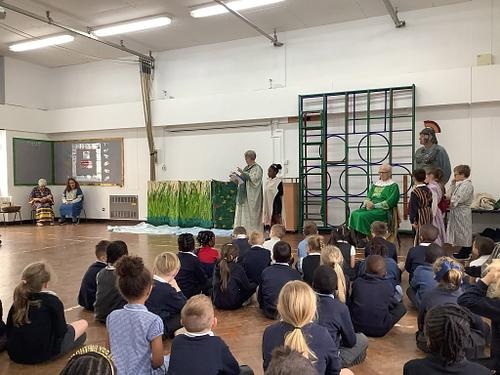
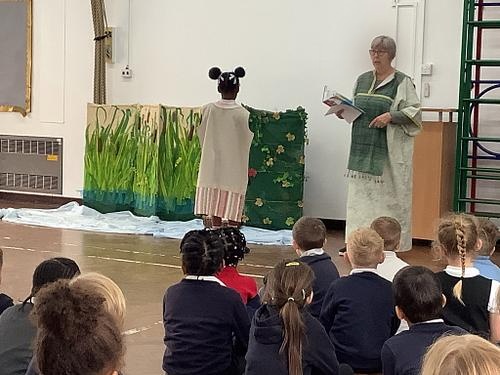
- Religious objects and visits from speakers bring learning to life where possible.
- Discussion and children’s work, including written or digital floor books, help teachers understand what pupils know and what they are ready to explore next.
The difference it makes
Children leave RE ready to…
- explain what they have learned about different beliefs and ways of life
- recognise similarities and differences with sensitivity
- ask relevant questions and give reasons for their ideas
- understand the diversity of local and global communities